

Today’s pop-culture and social media conversations are filled with the reference of “Good-Ol’-Days.” Sharing childhood experiences, exchanging similarities and differences and discussing “Things We Miss today” has become a common practice on social media. In other words, we make “Nostalgia” a big part of our conversations.
Hence it is no surprise that Nostalgia, once a feeling of wistfulness for simpler times, has become a powerful marketing tool.
The feelings associated with Nostalgia form a ready-made base for Marketers to tap into. By evoking memories of childhood, iconic trends, and beloved products from the past, companies can build trust, foster familiarity, and tap into deep-seated emotions.
The Science Behind Nostalgia Marketing
Nostalgia marketing works because it taps into powerful emotions that consumers associate with personal experiences or cultural moments. These feelings of comfort, joy, and security are strong enough to influence purchasing decisions.
According to studies, nostalgia can make people more willing to spend money, as it triggers feelings of optimism and emotional warmth.
In a world that can feel uncertain, especially with the rapid rise of technology and a changing social landscape, nostalgia reminds people of a simpler, more stable time. Brands can leverage this emotional response to enhance customer loyalty and increase engagement.
Key Strategies for Nostalgia Marketing
Reintroducing Retro Products and Packaging
One of the most straightforward ways to harness nostalgia is by bringing back old products or using vintage designs. Iconic brands like Coca-Cola and Pepsi have re-released limited edition bottles with retro packaging, drawing consumers back to their childhood days when they first encountered the brand.
Similarly, Nintendo has capitalized on nostalgia with the release of the NES Classic Edition, a miniature version of its classic gaming console from the 80s, giving millennials a taste of their gaming roots.
These reintroductions trigger a feeling of nostalgia while still offering a new product for a modern audience, creating a blend of past memories with present-day relevance.
Reviving Past Campaigns and Slogans
Sometimes, reviving a successful campaign or slogan can have a powerful impact. McDonald’s, for instance, brought back its famous “I’m Lovin’ It” jingle to remind customers of happier times associated with the brand. By tapping into these familiar themes, McDonald’s was able to create an emotional link to its product while keeping the messaging relevant for today’s audience.
Similarly, Nike often incorporates elements of its iconic “Just Do It” campaigns from the late 80s and 90s in its marketing, connecting younger consumers with the brand’s legacy while reigniting feelings of motivation and empowerment for older customers.
Pop Culture and Entertainment References
Pop culture is a goldmine for nostalgic references. The success of Netflix’s Stranger Things—a show packed with 80s references, from Dungeons & Dragons to vintage fashion—highlighted the resurgence of this decade in modern media. Brands were quick to jump on the trend.
H&M, for example, released a Stranger Things-themed clothing line, drawing from 80s styles and tapping into the retro vibe of the show to attract consumers. Movie reboots, classic character revivals, and limited edition products themed around beloved TV shows or music from past eras are effective ways to capture attention and evoke positive emotions associated with those cultural touchstones.
Experiential Marketing with a Retro Twist
Brands that create immersive experiences can make nostalgia marketing even more impactful. For instance, Polaroid hosted pop-up shops that replicated the look and feel of the 1980s, encouraging visitors to step back in time. The brand played on its iconic status as a symbol of instant photography while inviting a new generation to experience its products. By combining physical and digital experiences, brands can immerse consumers in the past, creating memorable moments that build brand loyalty.
Storytelling Through Timeless Values
In nostalgia marketing, it’s not just the products or packaging that matter—it’s the emotional stories brands tell. Companies often tap into universal themes of family, tradition, and continuity to evoke a sense of belonging.
For example, Hallmark frequently emphasizes these values in its holiday campaigns, focusing on togetherness, the warmth of family gatherings, and age-old traditions, creating a bridge between the past and the present.
Examples of Brands Using Nostalgia Successfully
- Pepsi’s Retro Packaging and Super Bowl Campaign Pepsi’s 2019 Super Bowl ad featured a throwback to its iconic 1992 ad with Cindy Crawford, updating it for the modern era but retaining its nostalgic flair. The retro packaging also made a comeback, allowing consumers to relive their memories of enjoying the beverage during their formative years.
- Nike’s “90s-Inspired” Collections Nike frequently uses nostalgia as part of its strategy, whether through the revival of classic Air Jordan designs or referencing the 90s basketball culture in its apparel. The brand plays on the memories of iconic moments in sports history to keep consumers emotionally invested in its legacy.
- LEGO’s Nostalgic Sets LEGO has tapped into nostalgia by releasing sets based on popular films and TV shows from the past, such as Friends and Harry Potter. These sets not only cater to kids but also appeal to adults who grew up with these beloved shows and want to revisit the magic of their childhood.
Why Nostalgia Works
In a time where constant innovation and newness dominate the market, nostalgia offers a sense of comfort. It brings people back to cherished memories and familiar feelings, creating a bond between the consumer and the brand. By blending these feelings of nostalgia with modern relevance, brands can build a sense of trust, loyalty, and emotional engagement that is hard to replicate with traditional marketing methods.
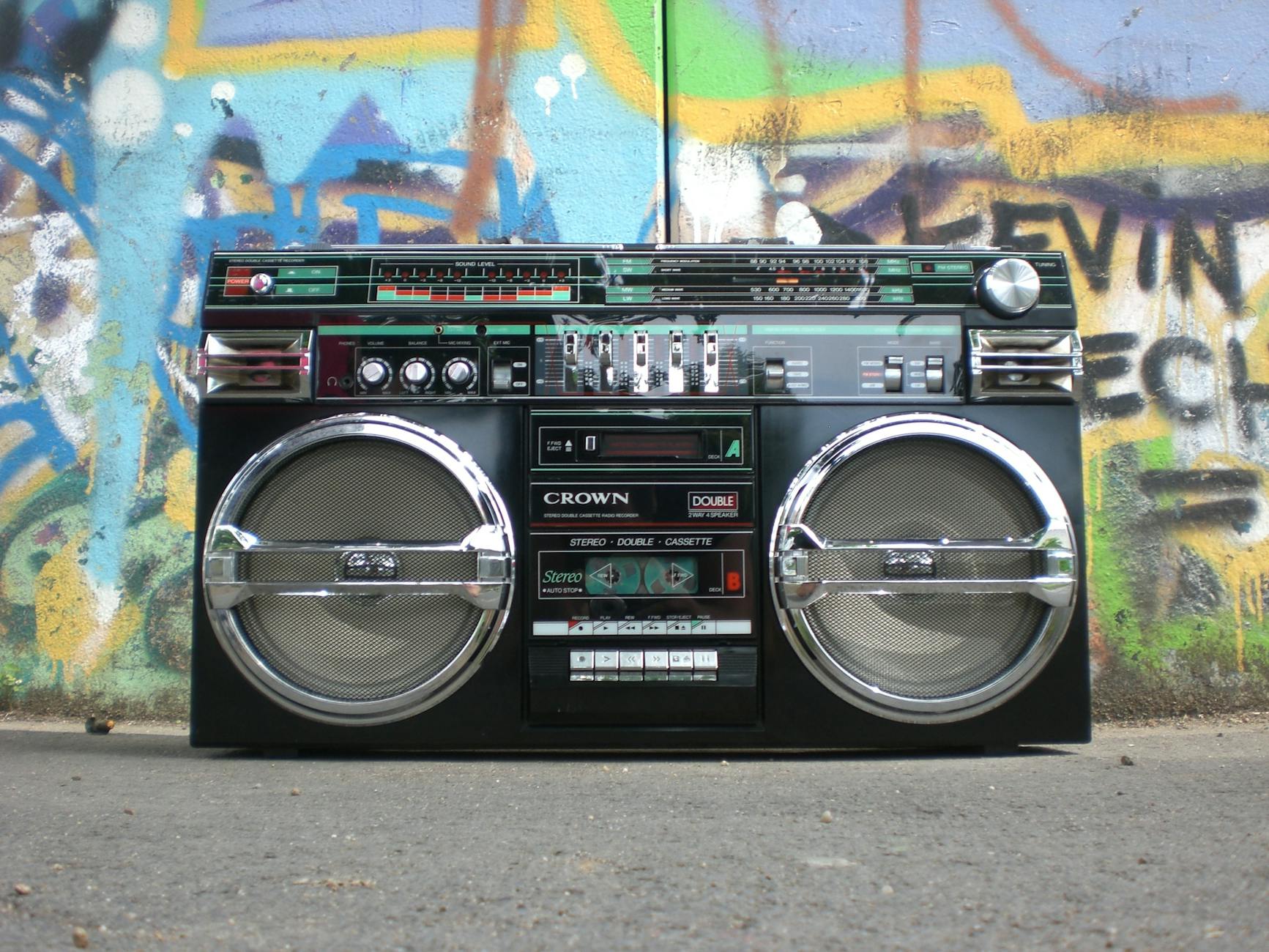
As society continues to change rapidly, nostalgia marketing will likely grow even more prominent. Brands that successfully walk the line between the past and the present can create meaningful connections with their audience, making them more likely to choose their products, not just for their quality, but for the memories they evoke.
Conclusion
Nostalgia is more than just a longing for the past—it’s a way for brands to tap into powerful emotions and create lasting impressions. Whether through retro products, rebooted campaigns, or pop culture references, brands can evoke warm, positive memories while remaining relevant in today’s fast-paced world. As long as brands continue to balance innovation with a nod to the past, nostalgia will remain a powerful marketing tool for years to come.
Ready to explore how nostalgia can enhance your brand’s marketing strategy? Contact Stradonn for a consultation on crafting campaigns that resonate with emotional depth and timeless value! Fill the form below to Book a Free Consultation:






 Stradonn
Leave a comment